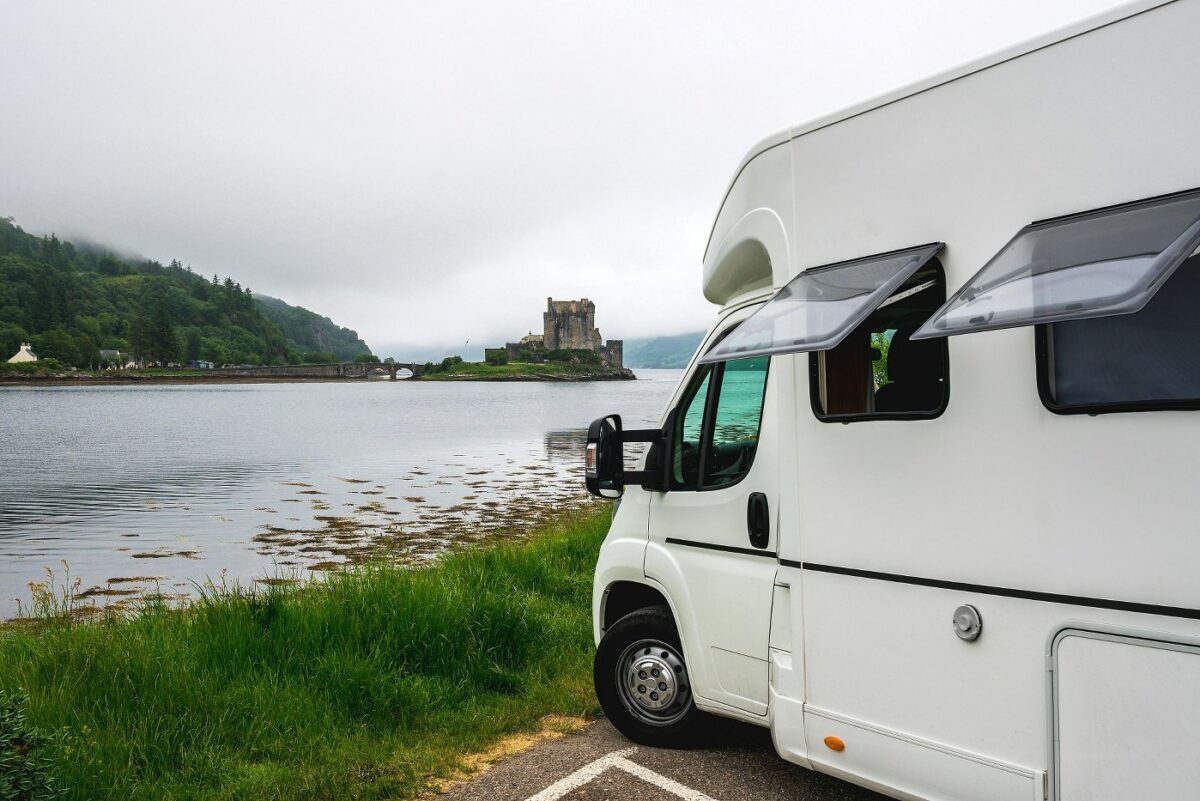
There is something fundamentally appealing about a holiday where the accommodation moves with you. No fixed itinerary, no check-in deadlines, no lugging suitcases through hotel lobbies. Just the open road, your own space, and the freedom to change your plans entirely on a whim. Motorhome hire has grown considerably in popularity across the UK over the past decade, and it is not difficult to understand the appeal for families and single parents. The combination of self-contained comfort, genuine flexibility, and the ability to reach places that conventional tourism rarely touches has converted a great many people who once considered it a niche pursuit into committed repeat hirers.
Whether you are planning a weekend with kids in the Yorkshire Dales, a motorhome holiday as a single parent, a festival trip, or a European solo adventure that takes you across multiple countries, hiring a motorhome offers a travel experience that neither hotels nor static caravans can match. The question for most first-time hirers is not whether to do it, but how to go about it sensibly, what to expect, and how to make sure the first trip is a genuinely positive experience for your family rather than a stressful one.
Why Hire Rather Than Buy?
This is the first question to consider when deciding on your first motorhome trip, and for most holidaymakers the answer comes down to a few straightforward practicalities:
Buying any type of RV is a significant financial commitment. A modern, well-equipped motorhome suitable for family travel typically costs between forty thousand and eighty thousand pounds new. Even used vehicles at the lower end of the market represent a substantial outlay. Beyond the purchase price, there are ongoing costs including insurance, annual habitation servicing, storage if you do not have space at home, road tax, and the inevitable maintenance costs that come with a vehicle that is also a living space. For people who holiday in a motorhome two or three weeks a year, the economics of ownership rarely stack up compared to hiring.
Hiring, by contrast, gives you access to a modern, well-maintained vehicle for exactly the period you need it, without any of the ongoing costs of ownership. You pay for the hire, the fuel, and any optional extras such as excess reduction insurance – and that is the extent of your financial exposure. If the trip goes well and you decide motorhoming is something you want to do more of, you have the experience to make a more informed decision about ownership. If it turns out not to be for you, you have lost nothing beyond the hire cost.
Hiring also means you can choose a vehicle suited to the specific trip rather than owning one vehicle that has to serve every purpose. A solo traveller might want a compact, manoeuvrable van for a city-to-city European trip. A single parent with several children needs something larger and more configured for sleeping multiple people of different ages in reasonable comfort. A hire fleet allows you to match the vehicle to the journey.
If you are looking for reputable campervan hire Cambridge, New Marque Motorhomes in Wilburton offers fully equipped, modern motorhomes with unlimited mileage, comprehensive insurance, dog-friendly options, and free secure car parking. We also liked the thorough handover process, which made our first hire much less daunting than it might otherwise have felt.
Understanding Motorhome Types and Layouts
One of the first things that surprises first-time hirers is the range of motorhome types and layouts available. Understanding the main categories helps you select the right vehicle for your party size and travel style.
- A-class motorhomes are the largest and most luxurious RVs, built on a purpose-designed chassis with a cab that is fully integrated into the living space. They offer the most living room, the best head height, and the highest specification fixtures and fittings. They are also the most expensive to hire and the most demanding to drive, particularly on narrow country lanes and in towns where parking can become an exercise in planning.
- Low profile motorhomes are built on a van or light commercial chassis with a raised habitation section over the cab and rear. They are the most common type in UK hire fleets, offering a good balance of living space, driveability, and fuel economy. Most are within the 3,500 kg limit. That means, they can be driven on a standard UK driving licence without additional entitlements. They typically sleep four to six people and offer a layout that works well for both couples and families.
- Coach built motorhomes, also known as C-class motorhomes, are similar to low profiles but with a higher profile habitation section, giving more internal head height and often a more spacious feel in the living area. The trade-off is slightly increased wind resistance and the heightened awareness required when parking in multi-storey car parks or passing under low bridges.
- Campervans and panel vans are smaller and more compact, typically based on a standard commercial van with a fitted habitation interior. They are a lot easier to drive and park than larger motorhomes and can access camping spots and overnight parking that larger vehicles cannot. The trade-off is reduced living space, with sleeping typically limited to two and kitchen and bathroom facilities scaled accordingly.
What Is Included in a Motorhome Hire?
The inclusions offered by different hire companies vary considerably, and it is worth checking exactly what is and is not covered before comparing quotes on price alone.
A comprehensive hire package from a well-organised company should include the motorhome itself, fully equipped with bedding and towels, and the option to add hotel-grade linen, kitchen equipment including cutlery, crockery, pots and pans, a kettle and other essentials, outdoor furniture such as a table and chairs, levelling ramps, a power hookup cable, and any leisure equipment available for the vehicle.
Unlimited mileage is an important inclusion that not all hire companies offer. Some operators cap the mileage included in the daily rate and charge a per-mile fee for any distance above the cap. For a trip with a significant driving element, this can add considerably to the final cost. Unlimited mileage gives you genuine freedom to plan your route without a calculator running in the background.
Wi-Fi is increasingly standard in modern motorhome hire fleets, and for most travellers it is a practical necessity rather than a luxury. Being able to look up campsites, check weather forecasts, navigate, stay connected without relying entirely on mobile data and keeping the kids appeased makes a significant difference to the ease of a trip.
Insurance is included in all hire packages, but the terms matter. Standard hire insurance typically includes fully comprehensive cover but with a significant excess, often between one thousand and two thousand pounds, that the hirer is liable for in the event of any damage to the vehicle. Most hire companies offer excess reduction packages at an additional daily or flat rate that reduce the excess to a more manageable figure or eliminate it entirely for specified types of damage. For hirers who are unfamiliar with driving a vehicle of this size, taking an excess reduction package is often a sensible decision.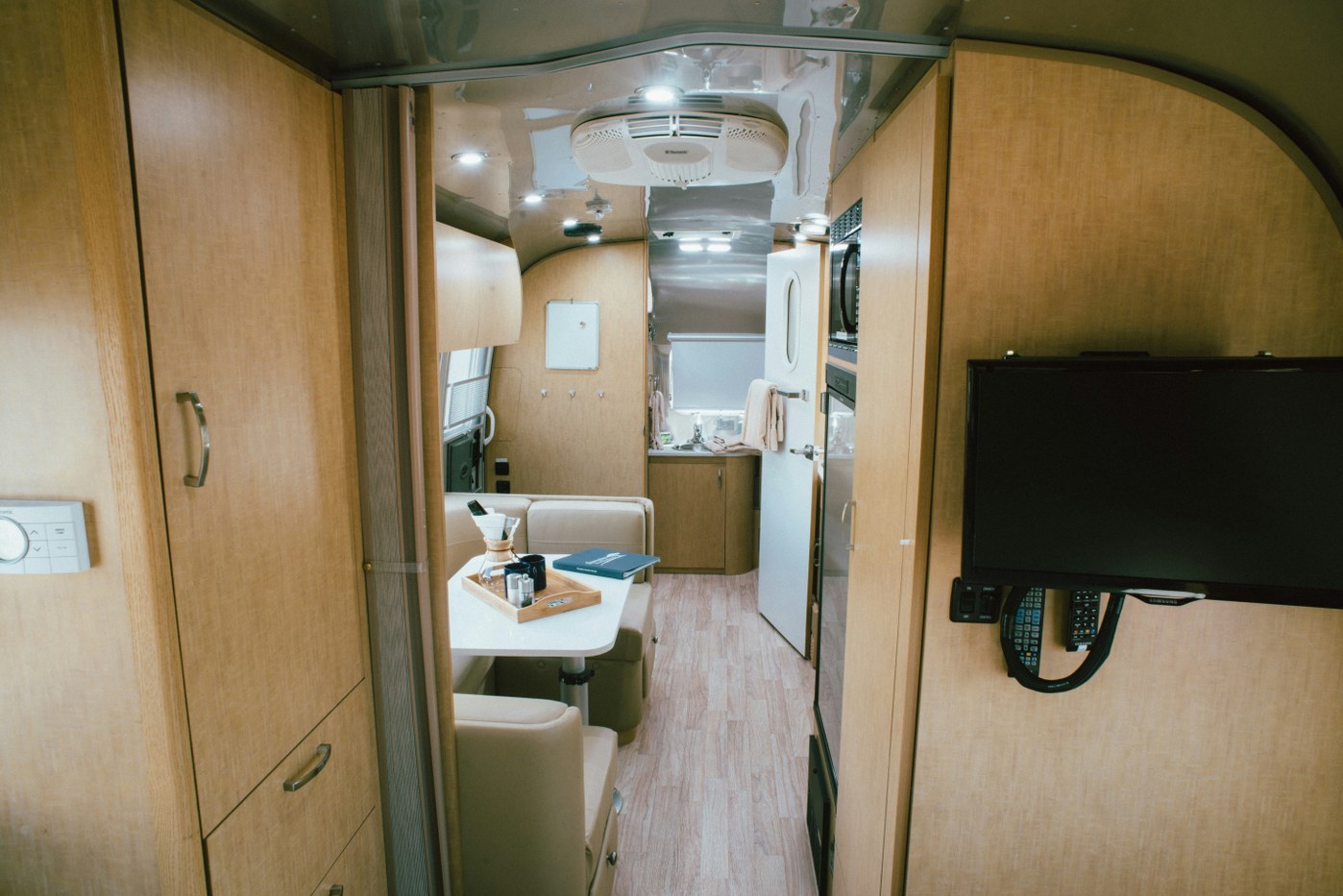
Choosing Your Campsite: Serviced Pitches, Rallies, and Wild Camping
Where you stay is one of the defining choices of a motorhome holiday, and the options in the UK and across Europe are much more varied than many first-time hirers realise.
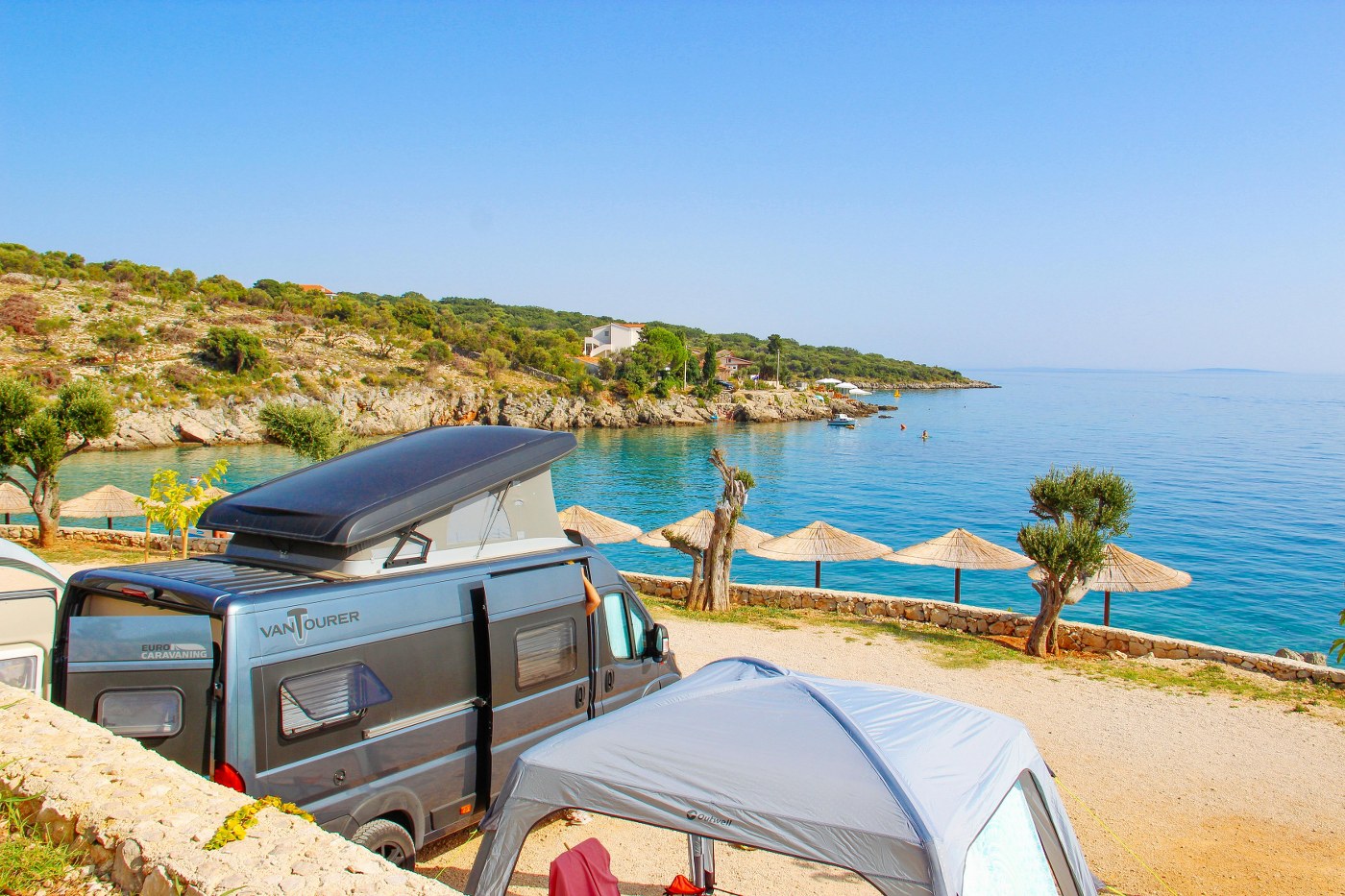
Traditional campsites with serviced pitches offer the most comfortable and most well-facilitated experience. A serviced pitch typically includes an electrical hookup that powers the motorhome’s interior sockets, lighting, and appliances without drawing on the leisure battery, as well as access to shower and toilet facilities, fresh water points, and grey water disposal. Many larger campsites also offer amenities including restaurants, shops, swimming pools, and activity facilities. In peak summer months, popular sites across the UK and Europe book up quickly, and reserving pitches in advance is advisable if you can only travel during school holidays, for example.
Certified locations and club sites offer a quieter and often more scenic alternative to commercial campsites. The Caravan and Motorhome Club and the Camping and Caravanning Club both operate extensive networks of sites across the UK, ranging from large, well-facilitated sites to small, peaceful certified locations that accept only a handful of motorhomes or caravans at a time. Membership of one or both clubs gives access to these networks at competitive rates.
Wild camping, where you park and sleep in a motorhome on public or private land without using a designated campsite, is legal in Scotland under the Land Reform (Scotland) Act 2003, subject to responsible behaviour. In England and Wales, the legal position is less clear, with overnight parking in a motorhome on public roads or land generally permitted subject to local restrictions, but the specific rules vary by location and local authority. Many hirers combine formal campsite nights with occasional overnight stops in laybys, motorway service areas, or designated overnight parking areas to extend their flexibility and reduce accommodation costs.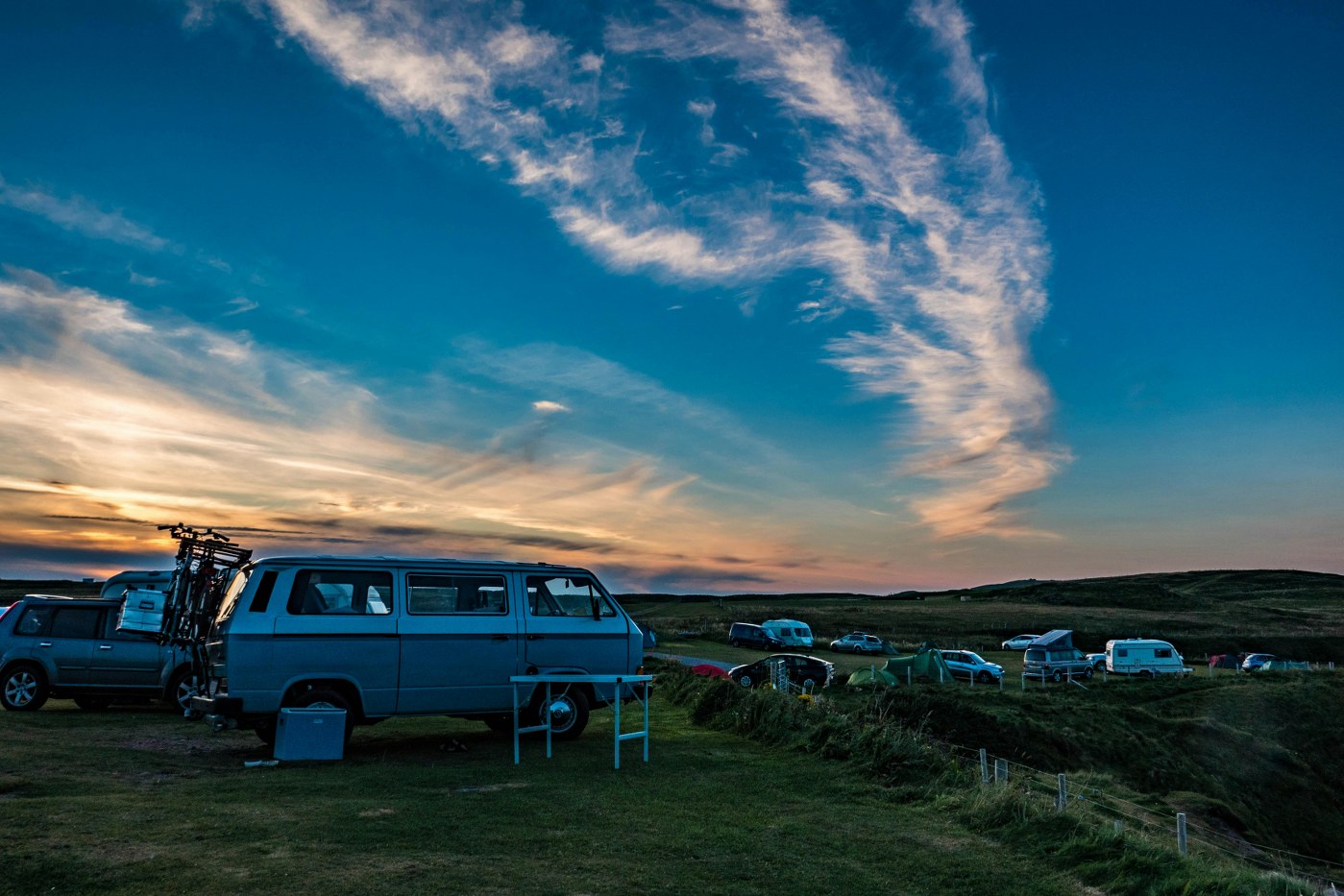
Driving a Motorhome for the First Time
The prospect of driving a vehicle significantly larger than a car is the aspect of motorhome hire that causes the most apprehension among first-time hirers, including single parents who have to do all the driving alone. In practice, the adjustment is less difficult than most people anticipate, particularly for modern low-profile motorhomes that handle well and offer good visibility.
The most significant difference from car driving is width awareness. A motorhome is a fair bit wider than a typical car and developing a feel for where the sides of the vehicle are relative to lane markings, gateposts, and parked vehicles takes a short period of familiarisation. Most experienced motorhome drivers recommend taking a quiet route for the first few miles to build confidence before joining busier roads.
Height awareness is equally important. Most modern low-profile motorhomes in UK hire fleets are between two point seven and three metres in height. Multi-storey car parks, filling station canopies, and low bridges all require attention. Checking the height of any structure before driving under it is a discipline that quickly becomes habitual.
Reversing requires practice and ideally a second person to guide from outside, particularly in confined campsite pitches. Many modern motorhomes are fitted with rear-view cameras that make reversing much easier. If the vehicle you hire does not have a rear camera, taking time to walk around the vehicle and understand the surroundings before reversing in a tight space avoids the majority of reversing incidents.
Parking requires planning ahead rather than reacting to gaps as they appear. Motorhomes need more space than cars and cannot always use the same parking options. Town centre multi-storey parks are generally out. Larger surface car parks, motorway services, and dedicated motorhome parking areas are the standard options.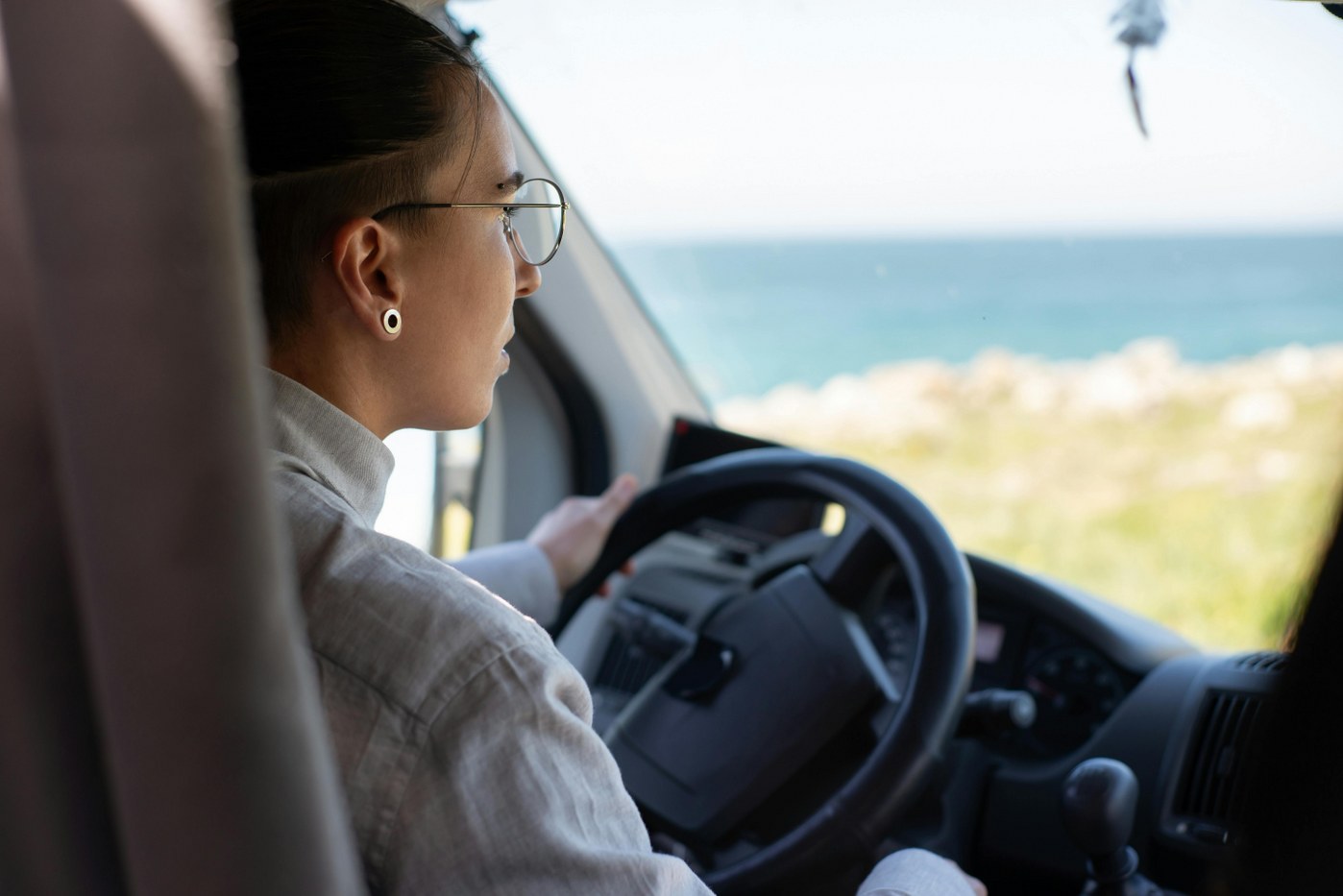
Travelling with Dogs in a Motorhome
One of the most consistently cited reasons people choose RV hire over other forms of holiday accommodation is the ability to bring the family dog/s. Many have tried family camping with dogs in the past, but found the constant need to keep them on-leash, together with muddy paws and nervous barking just all too much. Then there is self-catering accommodation, which can be difficult to find, expensive, and often comes with restrictions on where dogs can be within the property. A motorhome on the other hand, is your own space, and a dog-friendly motorhome hire removes the anxiety of finding accommodation that will accept your pet at each stage of the trip.
When booking a dog-friendly hire, confirm in advance how many dogs are accepted, whether there is an additional charge, and whether there are any breed or size restrictions. Most hire companies that offer dog-friendly vehicles ask hirers to bring a pet blanket or bed for the dog to use on the upholstery, and to ensure the vehicle is left clean at the end of the hire period.
Dogs travelling in a motorhome while it is moving must be appropriately restrained under the Highway Code. A harness that attaches to a seatbelt, a secured travel crate, or a dog guard separating the cab from the habitation area are the standard options. An unrestrained dog in a moving RV is not only a distraction hazard but a danger to the animal itself in the event of an emergency stop or collision.
Many UK campsites accept dogs, although some have restrictions on the number of dogs per pitch. Of course, some areas of campsites including swimming pools, play areas, and restaurants may be out of bounds. Checking site-specific dog policies before booking avoids disappointment on arrival.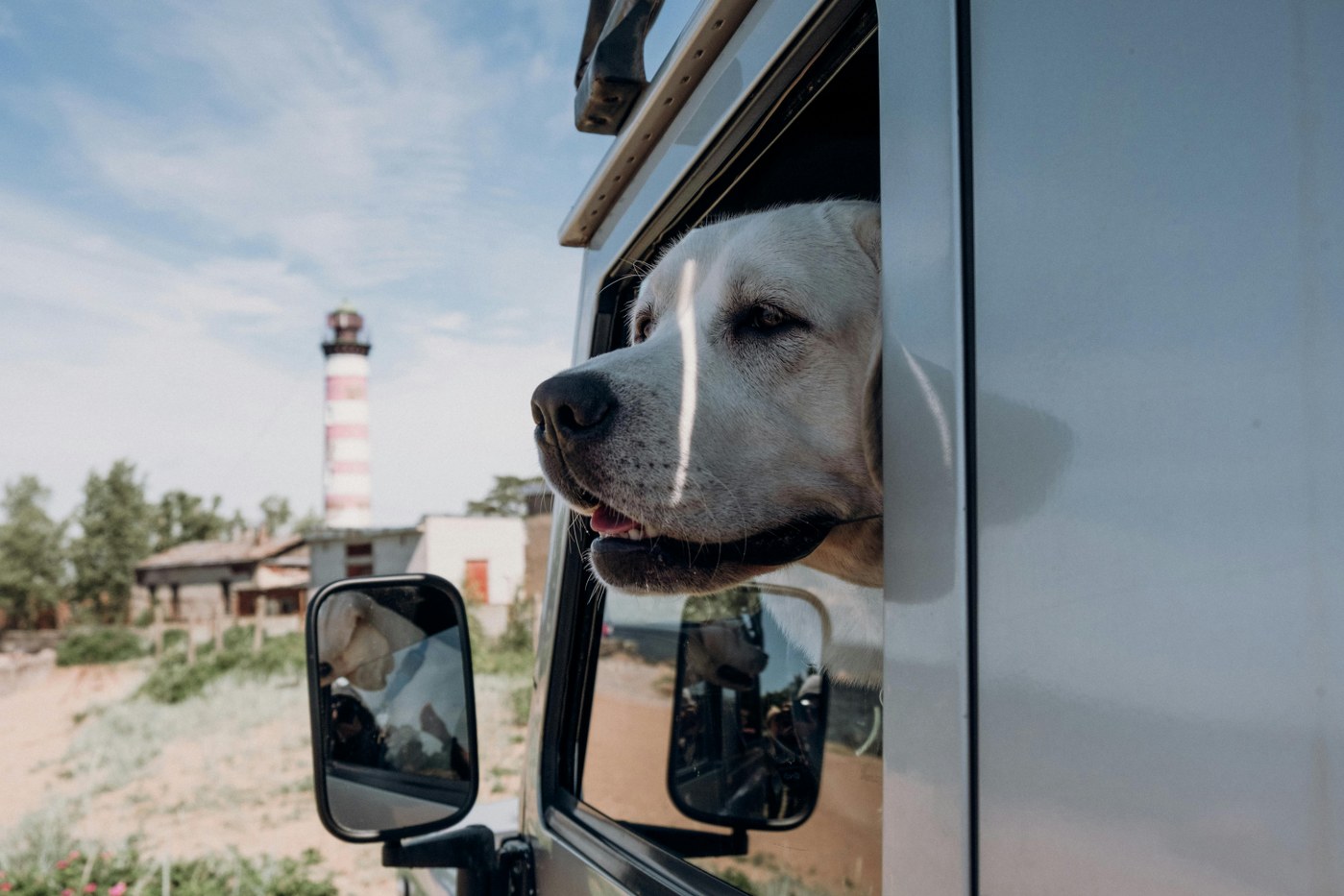
Motorhome Hire for Festivals
UK festivals have become a significant market for motorhome hire, and it is easy to see the appeal. A motorhome or campervan at a festival provides a clean, comfortable, weatherproof base that is entirely yours, with your own kitchen, your own bathroom, your own bed, and a refuge from the noise and crowds whenever you or your children need it.
Campervan fields at festivals are typically positioned away from the main camping areas, with dedicated facilities for chemical toilet disposal and grey water drainage. Hookup availability varies between festivals and is worth confirming in advance. The ability to return to your own vehicle for meals, to charge devices, to dry out after rain, and to sleep without the noise levels of the main camping fields makes a significant difference to the quality of the festival experience for many people.
Booking a motorhome for a popular festival well in advance is essential. Festival weekends are among the most heavily booked periods in any hire company’s calendar, and availability at the most popular operators disappears quickly once tickets go on sale.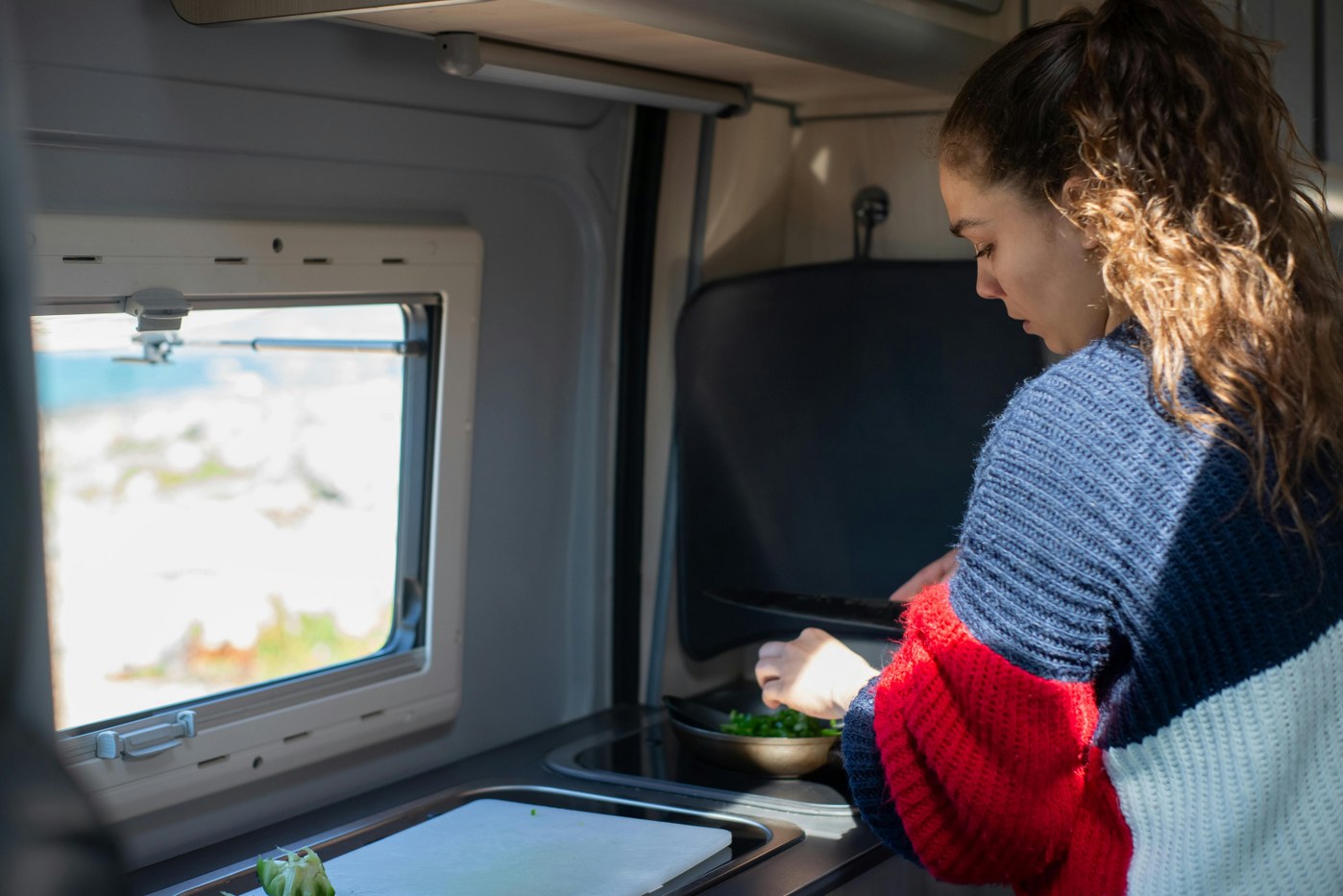
Planning a European Trip in a Hired Motorhome
Travelling to Europe in a hired motorhome is more straightforward than many first-time hirers assume, but it does require some additional planning compared to a domestic trip.
Confirm with the hire company that European travel is permitted under the hire agreement before booking. Most reputable companies allow European travel and will provide the necessary documentation, including a vehicle registration document copy, a letter of authorisation from the hire company, and confirmation of insurance cover valid in the countries you plan to visit. Some countries require additional insurance documentation, and the hire company should be able to advise on specific requirements.
A high-visibility vest for each family member, a warning triangle, a first aid kit, and headlamp beam deflectors for driving on the right are compulsory in many European countries and should be carried regardless of which countries you plan to visit. Breathalyser kits are required in France, though the rules on enforcement have changed over the years.
Campsite booking is more important in Europe than in the UK during peak summer months, particularly in popular coastal areas of France, Spain, and Italy where the best sites fill up well in advance. Having a rough route planned with campsite options identified at each stage gives you flexibility without the risk of arriving in an area to find nowhere to stay.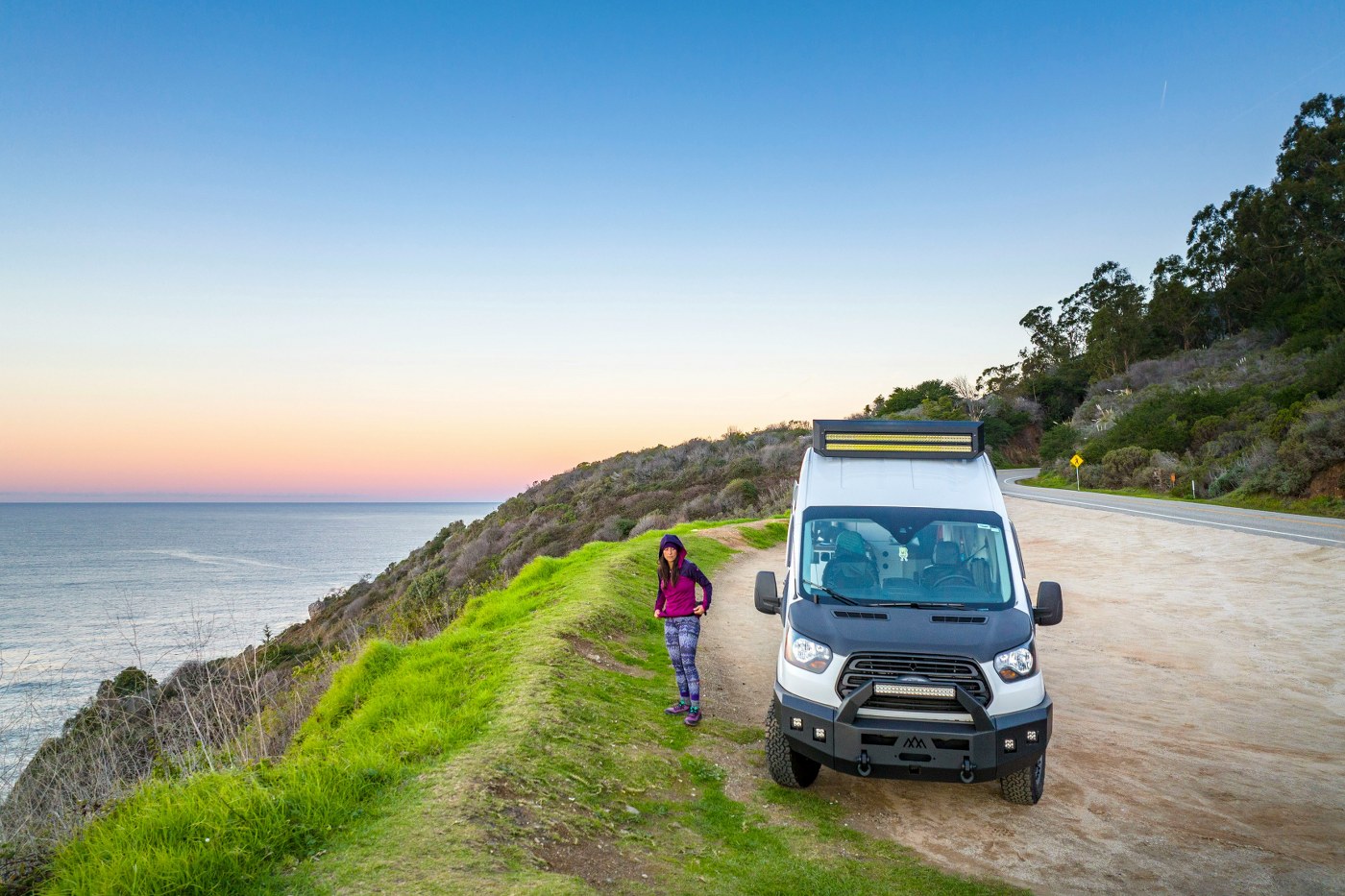
What to Check at Vehicle Handover
The handover process when collecting a hired motorhome is one of the most important parts of the hire experience and deserves full attention regardless of how familiar you are with motorhomes.
A thorough handover should cover the operation of every system in the vehicle, including the engine and driving controls, the gas system and hob, the fresh water system and pump, the toilet and waste water systems, the heating and air conditioning, the electrical systems including hookup connection and leisure battery management, and any multimedia equipment including the smart TV and Wi-Fi connection. A good hire company will take as much time as is needed for this process and will not rush you through it.
Before leaving the premises, walk around the vehicle with the hire company representative and confirm the condition of all external surfaces, including the roof, sides, front, and rear, on the condition report. Photograph any existing marks or damage before departure, with photographs clearly timestamped. This protects you against any dispute about pre-existing damage at the end of the hire.
Don’t forget to confirm the fuel policy before driving away. Most hire companies provide the vehicle with a full tank and require it to be returned full. Some operate a full-to-empty or a fixed fuel charge policy. Understanding the policy before you drive off prevents an unexpected charge at return.
Final Thoughts
Motorhome hire in the UK offers one of the most genuinely flexible and rewarding holiday formats available. The freedom to go where you want, change your plans at will, bring the dog, cook your own food, and sleep in your own space regardless of where you end up is a combination that conventional accommodation simply cannot replicate. For first-time hirers, the key is choosing a company that makes the process straightforward, provides a well-equipped and properly maintained vehicle, and gives you the support and information needed to set off with confidence.
Take time to choose the right vehicle size for your party, plan your route loosely enough to allow for spontaneity, book popular campsites in advance during peak periods, and invest in an excess reduction package for peace of mind. If you do those things, then a motorhome holiday is very likely to be the first of many.