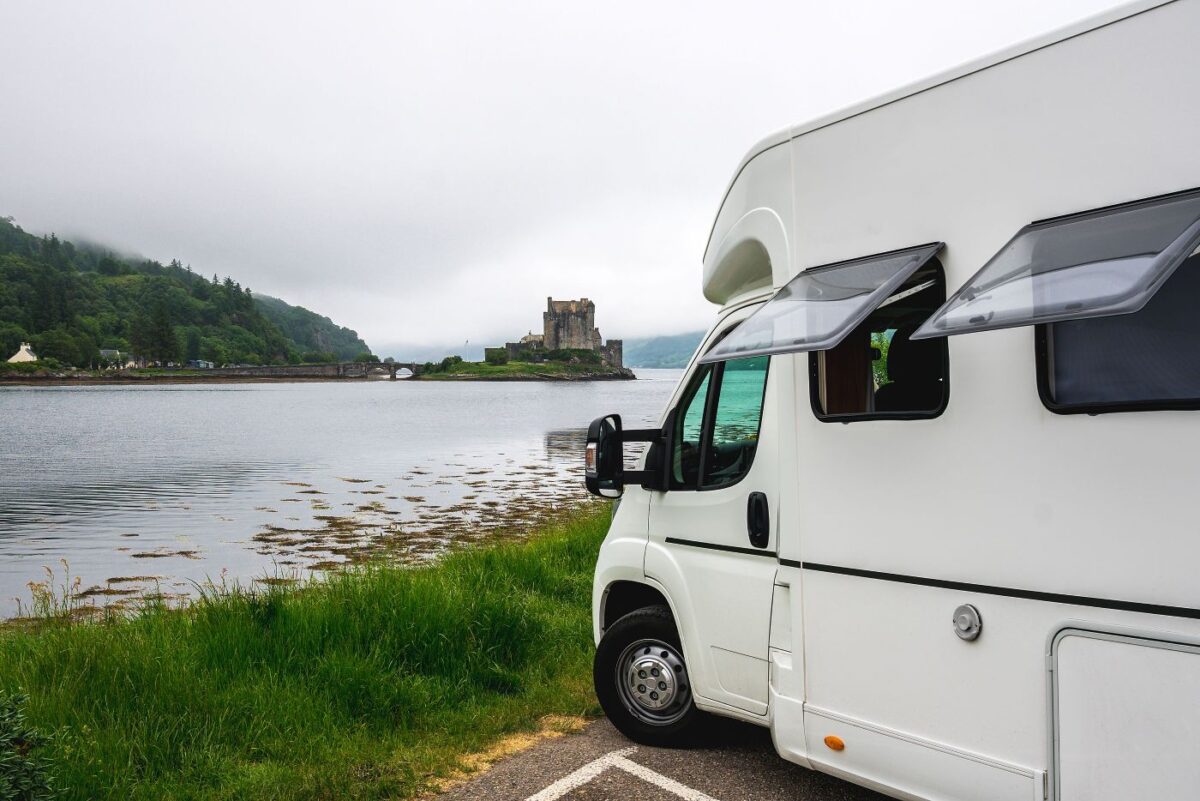
Tired of packing half the house just for a weekend break? Why not try a single parent motorhome weekend? Combining driving, accommodation, and meals into a single self-contained vehicle without the need to unpack at your destination gives you total freedom with a fraction of the stress.
If you think driving on your own sounds demanding, consider the advantages of keeping transport and accommodation together v. travelling by public transport and navigating airports as a single parent. No hotel check-in to coordinate, less repeated unpacking, and no need to create a packed itinerary to make the trip worthwhile.
The key is simplicity. Choose somewhere reasonably close, pack only what you need, and stay at a campsite with useful facilities. Our guide covers the essentials, from choosing the right motorhome and campsite to packing, driving, meals, entertainment, and safety.
Why Can a Motorhome Weekend Work Well for Single Parents?
Motorhome travel can give single parent families more flexibility, easier access to everyday essentials, and greater control over the pace of a weekend away. Instead of moving children between a car, hotel, restaurant, and attractions, the family can keep most of what they need in one place. That flexibility is useful when plans change. A child may become tired early, rain may cancel an activity, or everyone may prefer staying at the campsite.
Five benefits make this style of trip especially practical:
- Simplified travel: Transport and accommodation remain together.
- More flexibility: Mealtimes, toilet breaks, and activities can be adjusted easily.
- Reduced packing stress: Clothes, toys, and outdoor equipment stay inside the vehicle.
- Easier meals: A motorhome kitchen allows simple meals without finding a restaurant.
- More freedom: Parents can plan around outdoor time instead of a rigid schedule.
For a first trip, a campsite only an hour or two from home may be ideal.
How Should You Choose a Destination for a Short Motorhome Weekend?
Choosing a destination involves balancing driving time, campsite facilities, nearby activities, access to essentials, and weather. The destination itself matters, but ease of management often matters more when one adult is responsible for both the children and the vehicle.
A scenic destination four hours away may become stressful after traffic, toilet stops, and a late arrival. A closer location with woodland walks, a beach, or a family attraction nearby may create a more fun and enjoyable weekend.
Here is what you need to do when choosing a destination for a motorhome weekend:
- Consider driving distance: You want to avoid spending much of Friday and Sunday on the road so choose a location that is no further than 2 to 3 hours away.
- Choose an interesting location: Whether it’s a beach, woodland, adventure playground, or theme park for older kids, you want age appropriate activities nearby.
- Check the campsite carefully: Useful facilities matter more than scenery alone.
- Locate shops, pharmacy, etc.: Know where you can buy food, medicine, or forgotten items if need be.
- Check the weather and seasonal restrictions: Consider daylight, temperature, rain, and attraction opening times, especially if you are travelling outside of peak season.
A simple destination usually creates a more relaxed trip.
How Do You Choose the Right Motorhome for a One Parent Family?
A family-suitable motorhome has safe travel seats, enough sleeping berths, practical storage, and living facilities suited to the number and ages of passengers. Layout matters because a motor caravan that feels spacious when empty may feel completely different once you add bags, bedding, food, and children.
Start with travelling seats rather than beds. Every passenger needs a suitable seat and restraint while the vehicle is moving, so berth numbers alone should not determine whether a vehicle suits your family. For one parent travelling with two or three children, four-berth layouts are often worth considering. Looking at examples of 4 berth motorhomes for sale can help show how different layouts arrange beds, travelling seats, kitchens, washrooms, and living space.
Bigger does not automatically mean easier. A smaller motorhome or caravan may be simpler to manoeuvre, park, and position on a pitch. Also consider storage, heating, kitchen access, bathroom facilities, and whether you must make beds every night.
What Should Single Parents Pack for a Motorhome Weekend?
Packing lightly while covering the essentials is usually the best approach. Space disappears quickly once bedding, food, clothes, and children’s belongings are on board, so carrying too many “just in case” items can make the vehicle harder to manage. Think in situations: What will everyone need if it rains? What can you cook if you arrive late? What will keep the children occupied indoors? Pack for those answers first.
Clothing and Personal Essentials
Take comfortable clothes, waterproof jackets, suitable footwear, sleepwear, toiletries, and at least one change of clothes for each child. Layers are more useful than packing separate outfits for every possible activity.
Food and Kitchen Essentials
Choose food that requires little preparation or washing up. Breakfast items, sandwich ingredients, fruit, snacks, drinks, pasta, soup, and other simple meals are usually enough for a weekend. Preparing ingredients at home can save time once you arrive.
Children’s Entertainment
A few carefully chosen activities are usually enough. Pack books, colouring supplies, card games, small toys, and perhaps a tablet for longer journeys or wet evenings. Outdoor items such as a football, frisbee, or binoculars can provide hours of entertainment.
Practical and Emergency Items
Keep essential items organized somewhere easy to reach. Useful basics include:
- First-aid supplies
- Medication
- Phone chargers
- A power bank
- A torch
- Wet wipes
- Rubbish bags
- Booking and vehicle documents
- Breakdown assistance details
 How Can You Make the Drive Less Stressful When Travelling Alone with Children?
A calmer drive starts before departure. Route planning, sensible breaks, prepared snacks, and independent entertainment can prevent many problems that are hard to handle when the only adult must focus on driving. No one else can find a snack, retrieve a toy, or check directions while the vehicle is moving.
Six steps can make the journey easier:
- Plan the route before leaving. Check the campsite entrance and any access restrictions.
- Schedule breaks. Don’t wait until everyone urgently needs one.
- Prepare snacks and drinks. Keep them simple and accessible.
- Provide entertainment for the road. Choose travel toys children can use safely on their own.
- Arrive before dark. Finding the pitch and setting up is easier in daylight.
- Allow extra time. Traffic feels and the inevitable bathroom stop feel less stressful when you are not rushing.
The goal is not to travel quickly. It is to arrive with enough energy left to enjoy the weekend.
What Should You Look for in a Family-Friendly Campsite?
A family-friendly campsite is a touring site with facilities and surroundings that make staying with children safe and convenient. For single parents, the location within the campsite can matter almost as much as the facilities themselves. A remote pitch may look peaceful, but being reasonably close to toilets, water, reception, and play areas can make daily routines much easier.
Useful features include:
- Safe, clearly marked pitches
- Clean toilets and showers
- Electric hook-up
- Drinking water points
- A children’s play area
- Shops or food nearby
- Walks or attractions within easy reach
Good lighting and straightforward vehicle access are valuable too.
Check campsite maps and recent reviews before booking. A well-equipped site can reduce what you need to carry, and how much driving you need to do after arrival.
How Can You Keep Meals Simple During the Weekend?
Simple motorhome meals require limited preparation, cookware, storage, and washing up. That is especially useful when you have young children and have to supervise them whilst cooking.
If you have the time, preparing as much as possible before leaving home, means more time to relax. Portion ingredients, chop vegetables, and cook the first evening meal ahead of time.
Practical options include:
- Cereal, toast, yogurt, or fruit for breakfast
- Sandwiches or wraps for lunch
- Pasta with a simple sauce
- Rice-based meals
- Soup and bread
- Pre-prepared meals
- Barbecue food where permitted
- Fruit and simple snacks
Keep one meal available that requires almost no effort. After a long or wet day out, a ten-minute dinner is often more valuable than something elaborate.
How Do You Keep Children Entertained Without Planning Every Minute?
The easiest approach is to pair one main activity with flexible outdoor time and periods with nothing planned. Children don’t need constant entertainment just because they are on holiday. The novelty of exploring a campsite, eating outside, and sleeping somewhere different may already provide much of the excitement younger children need.
Good options include:
- Short walks
- Nature trails
- Beach visits
- Cycling
- Playground time
- Wildlife spotting
- Ball games
- Reading or films during bad weather
Choose one main activity for the day and treat everything else as optional. Leaving gaps in the schedule gives children time to play and gives the solo parent time to rest, prepare meals, or enjoy the surroundings.
What Safety Preparations Should Single Parents Make?
The most important safety preparation is making sure you can handle common problems. That includes being able to check the vehicle, being contactable at all times, and having the right information in case of an emergency.
Here are some precautions you can take to ensure you are safe on the road when driving on holiday with kids Most safety preparation is straightforward and should not make the trip feel complicated.
Do the following before leaving:
- Check tyres and the vehicle’s general condition.
- Make sure you have enough fuel/charge.
- Keep breakdown cover information on hand.
- Charge your phone and carry a power bank.
- Tell someone where you are staying.
- Keep medicines and first-aid supplies within easy reach.
- Explain basic campsite rules to your children.
- Locate reception after arriving.
Older children can learn the campsite name and pitch number. Younger children should know where to go if they become separated from you. Remember, preparation should create confidence and prevent travel anxiety, not lead to it.
What Are the Most Common Mistakes to Avoid?
The most common mistakes are overpacking, driving too far, arriving late, preparing complicated meals, and trying to fit too much into a short weekend. Each one creates extra work, which becomes more noticeable when you don’t have a second adult to share it.
Six mistakes are especially easy to avoid:
- Avoid overpacking. Too many belongings create crammed conditions.
- Avoid an ambitious route. A weekend should not become an endurance drive.
- Avoid arriving late. Setting up is easier in daylight.
- Avoid overscheduling. One worthwhile activity may be enough.
- Avoid complicated cooking. Keep meals simple.
- Avoid leaving everything until departure day. Pack in stages where possible.
A successful trip is not the one with the busiest itinerary. It is the one that feels manageable for your family.
A Simple Two-Night Motorhome Weekend Plan
A two-night motorhome weekend itinerary is a compact plan that gives the family enough structure without turning the trip into a timetable. Leave generous gaps because setting up, preparing meals, changing clothes, and getting children ready often takes longer than expected.
Friday Evening
Arrive before dark and focus on getting settled. Position the motorhome, connect essential services, organize the sleeping area, and prepare an easy meal. Take a short walk around the campsite so the children know where the toilets, reception, bins, and play areas are. Then relax. Friday evening doesn’t need an extra activity.
Saturday
Have a relaxed breakfast and choose one main outing. That might be the beach, a walk, a family attraction, a wildlife park, or a nearby town. Take snacks, keep lunch simple, and return to the campsite with enough time to relax before dinner.
The evening can be as simple as a meal, a game, a film, or reading together.
Sunday
Keep Sunday lighter. Have breakfast, pack non-essential items gradually, and consider a short walk or nearby activity before lunch. Check the motorhome and pitch before leaving, then give yourself enough time for the drive home. Leaving before everyone becomes overtired is usually better than squeezing in one last major activity.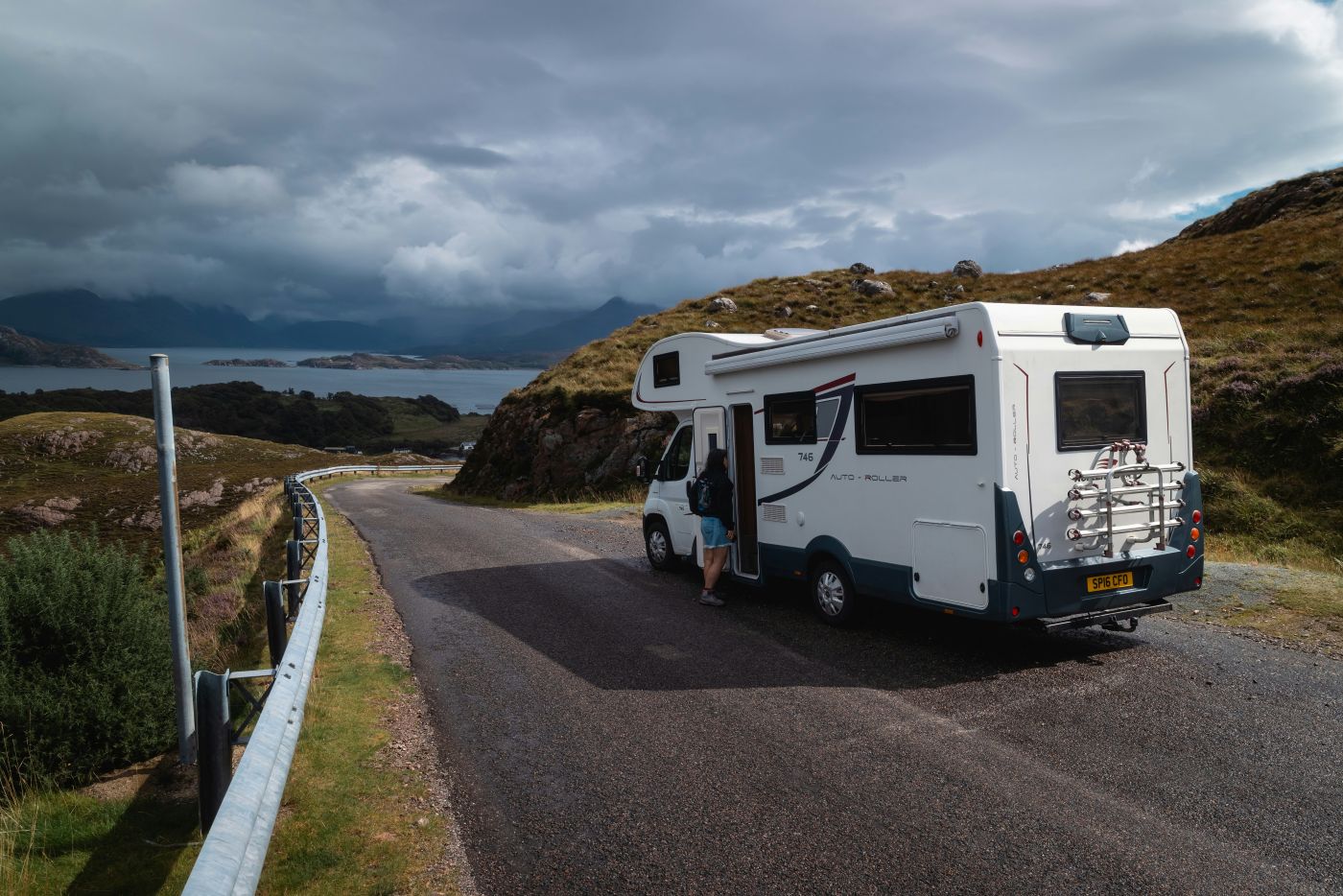
Conclusion
A stress-free single parent motorhome weekend depends more on simplicity than on creating the perfect itinerary. Choose a nearby destination, use a motor caravan you feel comfortable driving, stay at a campsite with useful facilities, pack strategically, and keep meals easy. Most importantly, allow plans to change.
Children may prefer the campsite playground to the attraction you researched. Rain may alter Saturday’s plans. Everyone may need an early night. That flexibility is one of the main advantages of motorhome travel. Once you complete the first weekend and learn what your family actually needs and enjoys, planning the next trip usually becomes much easier.