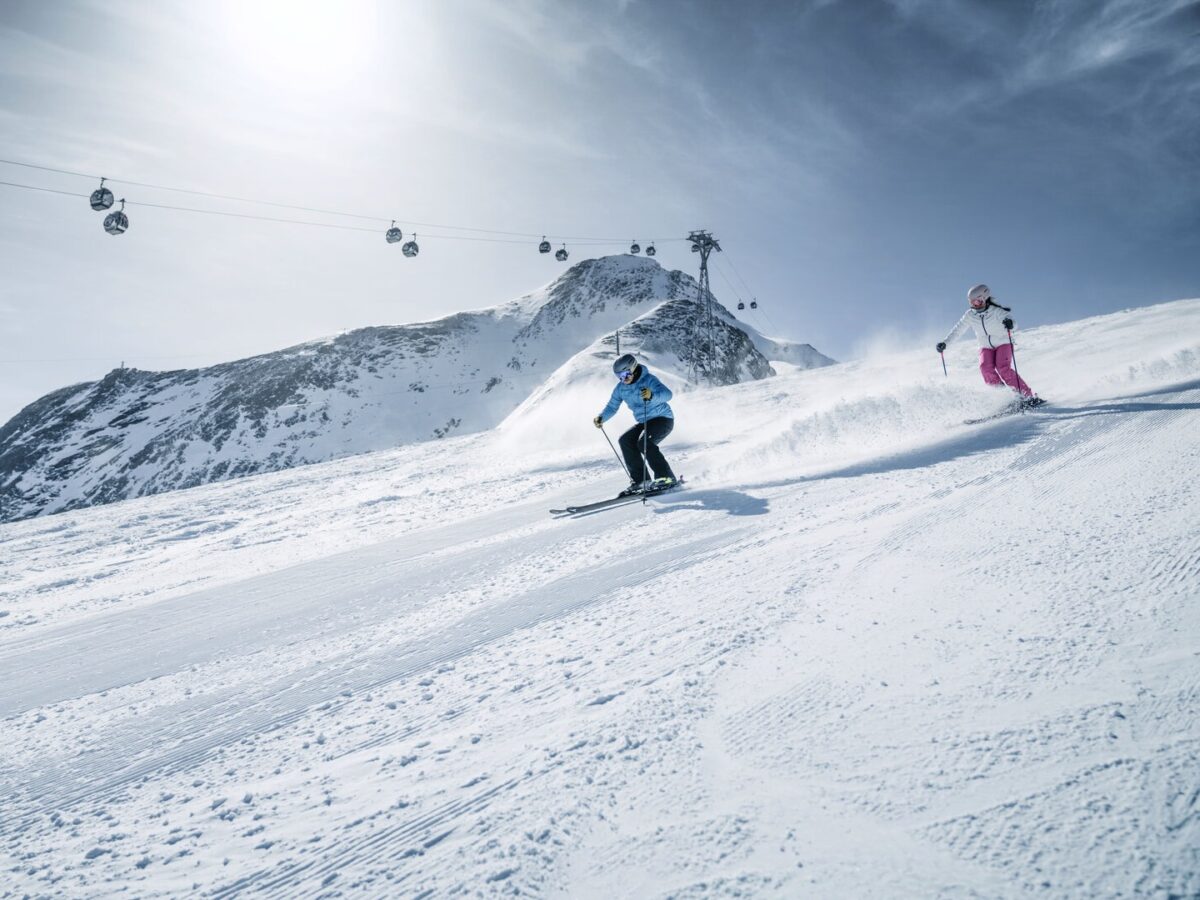
If you are an independent skier looking for a good deal, fewer crowds, and good snow conditions, the best months for solo ski holidays are often January and March. January can bring lower demand after the Christmas and New Year rush, while March may offer late-season promotions and longer daylight hours. Let’s consider the pros and cons:
January can deliver perfect snow conditions
The days around Christmas and New Year are often popular with families and groups. Once those dates pass, hotels often have space to sell, meaning they are more inclined to sell rooms for single occupancy and better prices. The real value depends what the price includes. A single supplement, board, luggage fee, taxi for one, and lift pass prices can all change the final bill.
There are a few advantages to booking a solo ski holiday in January. Slopes are quieter, there are virtually no queues at the lifts, and January’s usually cold temperatures keep the snow crisp and powdery creating perfect snow conditions. You don’t have to compete for restaurant reservations, equipment hire, or lessons, and ski resorts move at a more relaxed, unhurried pace. Just bear in mind that January days are shorter, and temperatures can be low.
March can bring longer and sunnier days
March can suit solo skiers who want more daylight on the slopes and are open to travelling later in the season. Longer days can make time on the mountain feel less rushed, and lifts are often open for longer. As winter gives way to milder weather, you can ditch the layers and enjoy skiing in more comfortable temperatures. Après skiing is now outdoors, changing the entire resort atmosphere. There are generally few crowds in March and queuing at the lifts only starts at the end of the month as schools break up.
Ski holidays for solo travellers can be expensive, but some resorts and tour operators offer late-season promotions at the start/middle of March. School holidays can create higher prices from the end of March, so check school calendars to avoid peak travel times. Also check the resort’s season dates and altitude before you commit. Slushy afternoons shouldn’t be a problem in March if the majority of slopes are at a decent altitude.

Decide on your priorities
Packages depend on many different factors, including popularity and size of the ski resort, distance from major airports, star rating, facilities, and board offered in your chosen accommodation, and its distance from the slopes. If the package price looks too good to be true, there will be a catch, so check details carefully and decide what’s important to you: Would you rather compromise on your lodgings, distance from the hotel or have a longer arrival transfer? Last but not least, do you prefer perfect snow conditions or warmer temperatures? This is what will decide which month works best for your solo ski holidays.