There is a particular kind of pre-holiday anxiety that I suspect only single parents truly understand. It is not the packing, the airport transfers, or whether the kids will sleep on the plane. It is the quiet, nagging question that surfaces about three days before departure: Have I sorted the house? When you are the only adult in the home, there is no one to tag-team the last-minute jobs with. No one to say, “did you turn the boiler down?” as you lock the front door. No one to pop back if something goes wrong. Everything falls to you, which means everything needs to be thought about before you leave.
After years of taking my children on holiday, some organised, some chaotic, I have learned the hard way that a proper pre-departure checklist is not a nice-to-have. It is the difference between relaxing on holiday and spending the week worrying about what you left switched on.
Here is the pre-holiday checklist I now work through before every trip. I hope it saves you the stress it took me a few uncomfortable experiences to learn.
Heating and Hot Water: The One That Catches People Out Most
This is the area I always tackle first, partly because it has the most serious consequences if ignored and partly because it needs the most lead time to sort if anything needs attention.
If you are travelling in winter or leaving the house for more than a week, the question of what to do with your heating is not straightforward. Turning it off completely sounds like the sensible, energy-saving option. But in cold weather, an unheated home is a home at risk of frozen pipes, and a frozen pipe that bursts while you are abroad is genuinely catastrophic to come home to.
According to SD Plumbing and Heating, a plumbing specialist from Edinburgh, the safest approach for homes left unoccupied during colder months is to set the heating to a low frost-protection temperature rather than switching it off entirely. A background temperature of around 12 to 15 degrees Celsius keeps pipes safe without running up significant energy costs. Most modern thermostats have a “frost protection or holiday mode” setting that does exactly this.
If you are travelling in summer, the calculation is different. Switching the heating off entirely is perfectly safe in warm weather. Setting the hot water to come on briefly every few days is a sensible precaution for longer trips to prevent stagnation in the tank, though for most standard holidays this is not necessary.
Before any trip longer than ten days, I try to have my boiler checked over if it is coming up to its annual service. There is nothing worse than returning home exhausted after a holiday to find the boiler has developed a fault that might have been caught with a routine look before you left.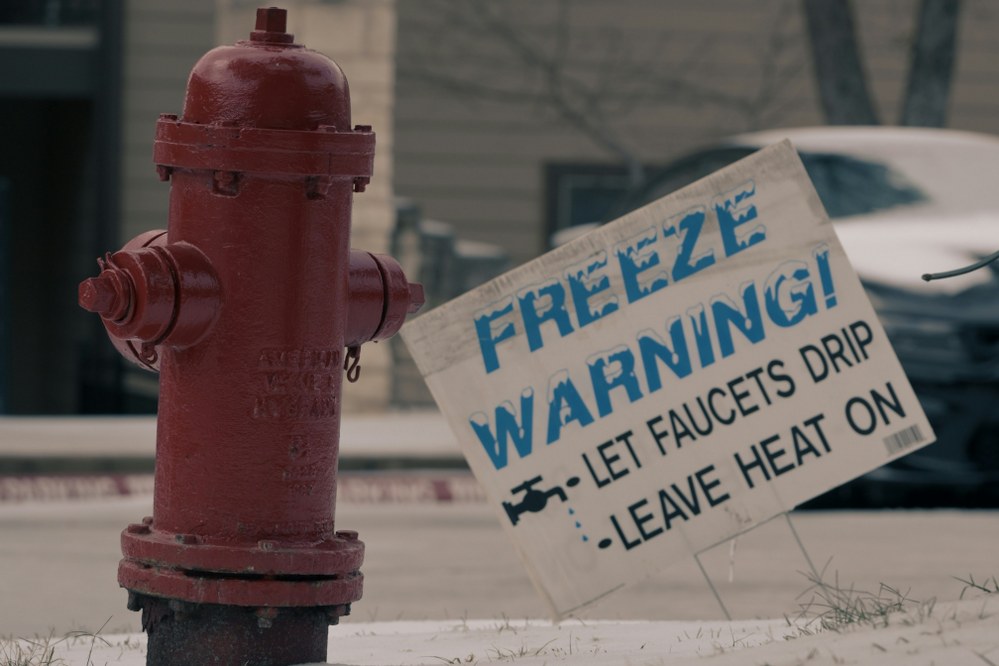
Water: Turn Off the Stopcock for Total Peace of Mind
If you are going away for two weeks or more, turning off the water at the stopcock before you leave is one of the best decisions you can make. A slow leak or a washing machine hose that fails while the house is empty can cause thousands of pounds of damage in a very short period.
The stopcock is usually located under the kitchen sink, though in some older UK properties it can be in the airing cupboard, under the stairs, or in a ground floor bathroom. If you are not sure where yours is, find it before your departure week, not on the morning of your flight.
Once you have turned it off, run the kitchen tap briefly to release any residual pressure. If you have a combi boiler, turning off the water supply should not affect your heating, but check your boiler’s manual if you are unsure.
For shorter trips of a week or less, I do not always turn off the stopcock, but I make sure I know exactly where it is just in case someone needs to access the house in an emergency.
Kitchen: The Checks That Take Five Minutes and Save Real Problems
The kitchen pre-departure checklist sounds obvious until you are thirty thousand feet in the air and not entirely sure whether you turned the gas off. Work through this before you leave:
- turn off the gas at the cooker and confirm the hob controls are all in the off position
- unplug the toaster, kettle, and other small appliances
- check the fridge and freezer are running at the right temperature if you are leaving food in them or emptied and switched off if you are not
- run a quick check of the washing machine to make sure there is nothing sitting wet inside it
- turn the tumble dryer off at the socket to eliminate the risk of a fire due to electrical surges, overheating, or faulty wiring
I now do a final kitchen lap as a non-negotiable last step before locking up. It takes less than two minutes, and I have never once regretted doing it.
Electrical Appliances: Unplug What You Do Not Need Running
Standby power is not a significant fire risk in most homes, but there is no good reason to leave appliances drawing power unnecessarily while you are away. More importantly, anything that generates heat when running, such as phone chargers left plugged in, older televisions on standby, or electric blankets, should be unplugged before you leave to eliminate the risk of electrical fires.
Go room by room and unplug chargers, lamps with bulbs that run warm, and any appliances that do not need to be on while the house is empty. Leave the fridge, the freezer, any smart home security devices, and obviously anything you need running. Everything else can come out of the wall.
If you have children who are old enough to help, this is a genuinely useful job to delegate. Mine now do their own bedroom checks before every trip, which has become part of the holiday ritual rather than an extra task.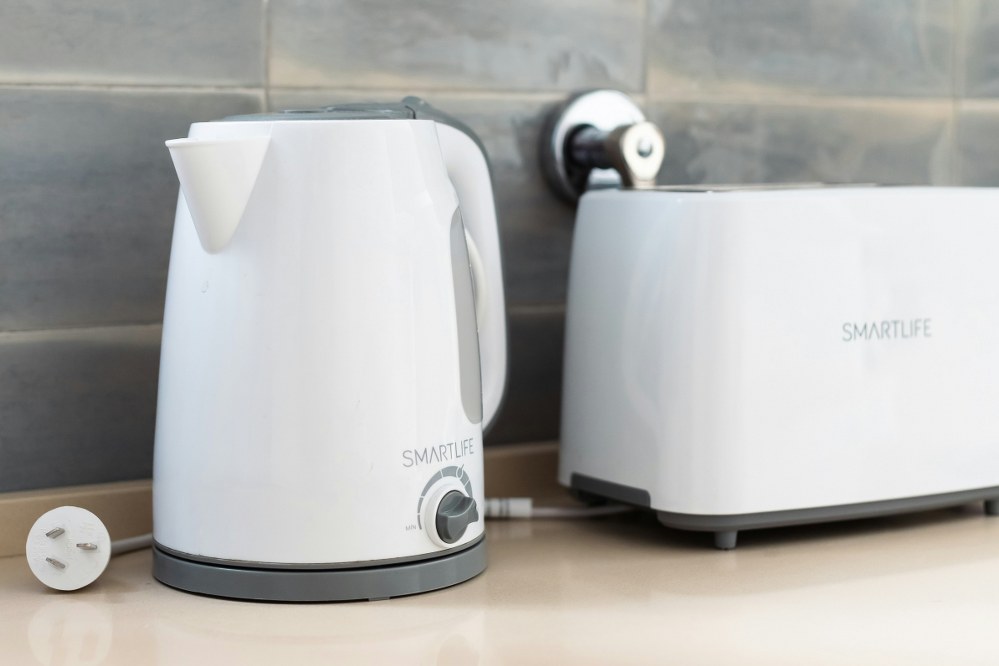
Security: Make the House Look Lived In
An obviously empty home is a more attractive target than one that looks occupied. A few simple steps make a meaningful difference.
- set a lamp or two on timer switches so that lights come on in the evenings
- ask a neighbour, friend, or family member to take in any post or parcels if you are going for longer than a few days.
- if you have a trusted person nearby, ask them to check in once during your trip. This does not need to be an elaborate arrangement. Even someone walking past and having a quick look is genuinely reassuring.
- cancel any regular deliveries, including milk, newspaper subscriptions, or weekly food boxes. A pile of uncollected deliveries outside a front door is one of the clearest signals that a property is unoccupied.
- check that all windows and doors are properly locked, not just closed. It is worth going around the house systematically rather than relying on memory, particularly for windows on upper floors that might have been left open for ventilation during warmer weather.
The Practical Admin That Is Easy to Forget
Beyond the physical pre-holiday checks, a few administrative tasks are worth completing before any trip:
Make sure your home insurance is current and that the policy covers periods of unoccupancy. Some policies have conditions around how long a property can be left unoccupied, particularly during winter months, and it is worth understanding what your policy says before rather than after something happens.
Leave a spare key and your basic emergency contact details with someone you trust. This does not need to be a full document, just a note with your mobile number, the name of your home insurer, and where the stopcock and fuse box are. If something goes wrong while you are away, the person who has your key needs to know where to look.
Let your bank know you are travelling abroad if you have not updated your contact details recently. Card blocks on foreign transactions are less common than they once were but still happen and sorting it from a resort with a poor signal is significantly less enjoyable than a quick call before you leave.
Leave and Actually Relax
The point of all of this is not to create more pre-holiday stress. It is to do the thinking in advance so that you can genuinely switch off once you are away.
Single parent holidays are hard-won. The planning, the saving, the logistics of getting everyone packed and to the airport with their passports. By the time you actually get there, you deserve to be present and relaxed rather than running through a mental list of everything you might have forgotten.
Work through the pre-holiday checklist, lock the door with confidence, and enjoy every moment of the trip you have worked so hard to take.
Safe travels.