
Please note that this is a sponsored post.
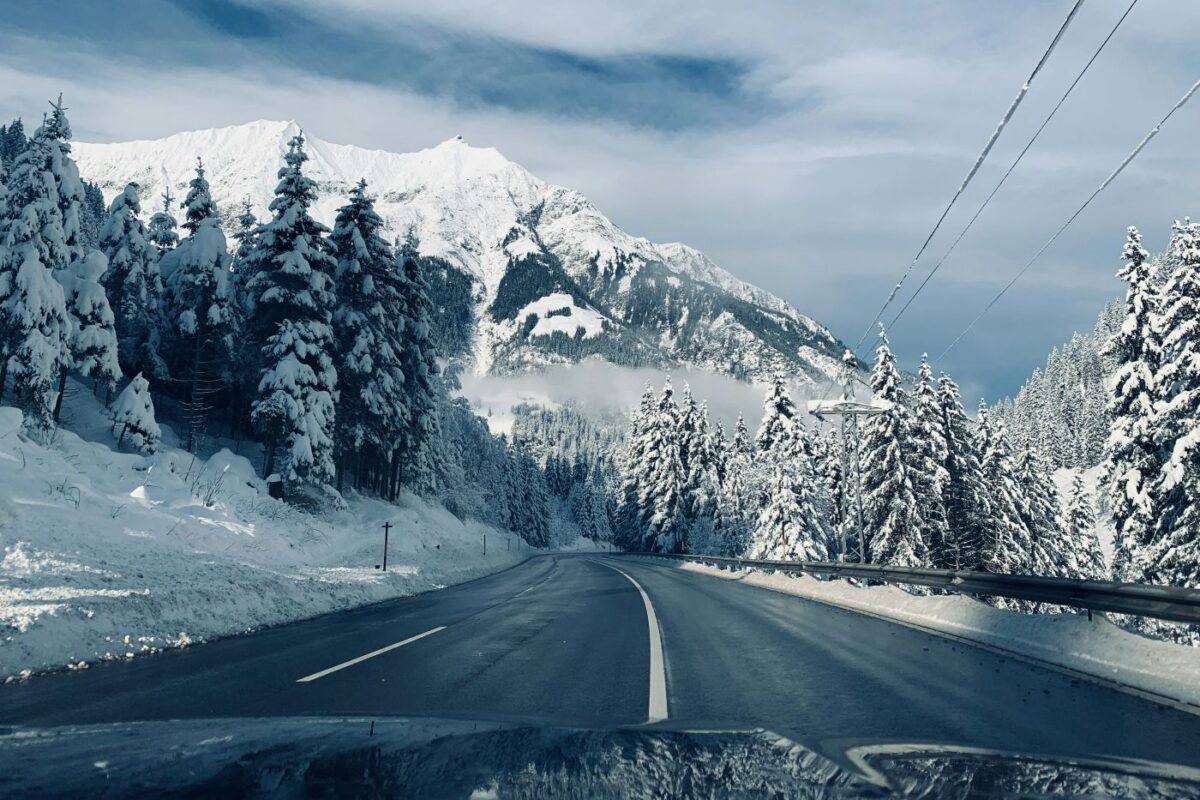
For many families in the UK, a ski trip to the Alps is the highlight of their year. Choosing to travel by car instead of by plane allows families to bring their own ski boots, helmets, skis, or snowboards without worrying about hefty luggage fees and expensive airfares. Still, a winter drive across Europe is nothing like a trip to the supermarket. Snowy roads, black ice, and steep mountain passes can test any driver, and solo drivers even more so, which is why fitting the right 4×4 tyres before you leave is one of the best things you can do.
Why Good Tyres Make All the Difference
Your tyres are the only thing connecting your car to the road. When the ground is wet, icy, or covered in snow, good tyres help you brake, turn, and move off safely. Worn or unsuitable tyres can cause your car to slip, even at low speeds. Whether you are heading out for a countryside adventure or handling your daily commute, reliable 4×4 tyres from Elite Autocare can give you the grip you need. On a long drive through Europe, having that grip becomes even more important, especially in the mountains.
Plan Your Journey Ahead
Most families begin their journey by crossing the Channel, either by ferry from Dover or through the tunnel at Folkestone. After that, there is usually a long drive through France to reach the main ski resorts in the French Alps, Switzerland, Austria, or Italy. Work out your route before you go and check the weather forecast for each stage. To stay safe on the road when driving with kids, you should consider splitting the drive over two days. This is particularly important for single parents who might overtire at the week with no one to share the driving with.
Remember to Pay Fees Online
Booking your crossing in good time can also save you money, particularly over the busy February half term. Also remember that there are tolls to pay in countries, such as France, Switzerland, and Austria. Whilst Switzerland requires you to pay for an annual motorway vignette, Austria sells vignettes for shorter periods, but also charges separate Alpine tolls for routes, such as the Brenner motorway or the Arlberg tunnel. France uses a system charging for distance at either toll booths or online. Some countries will not let you purchase vignettes retrospectively, so you must make sure you have paid your fees online ahead of your self-drive ski holiday.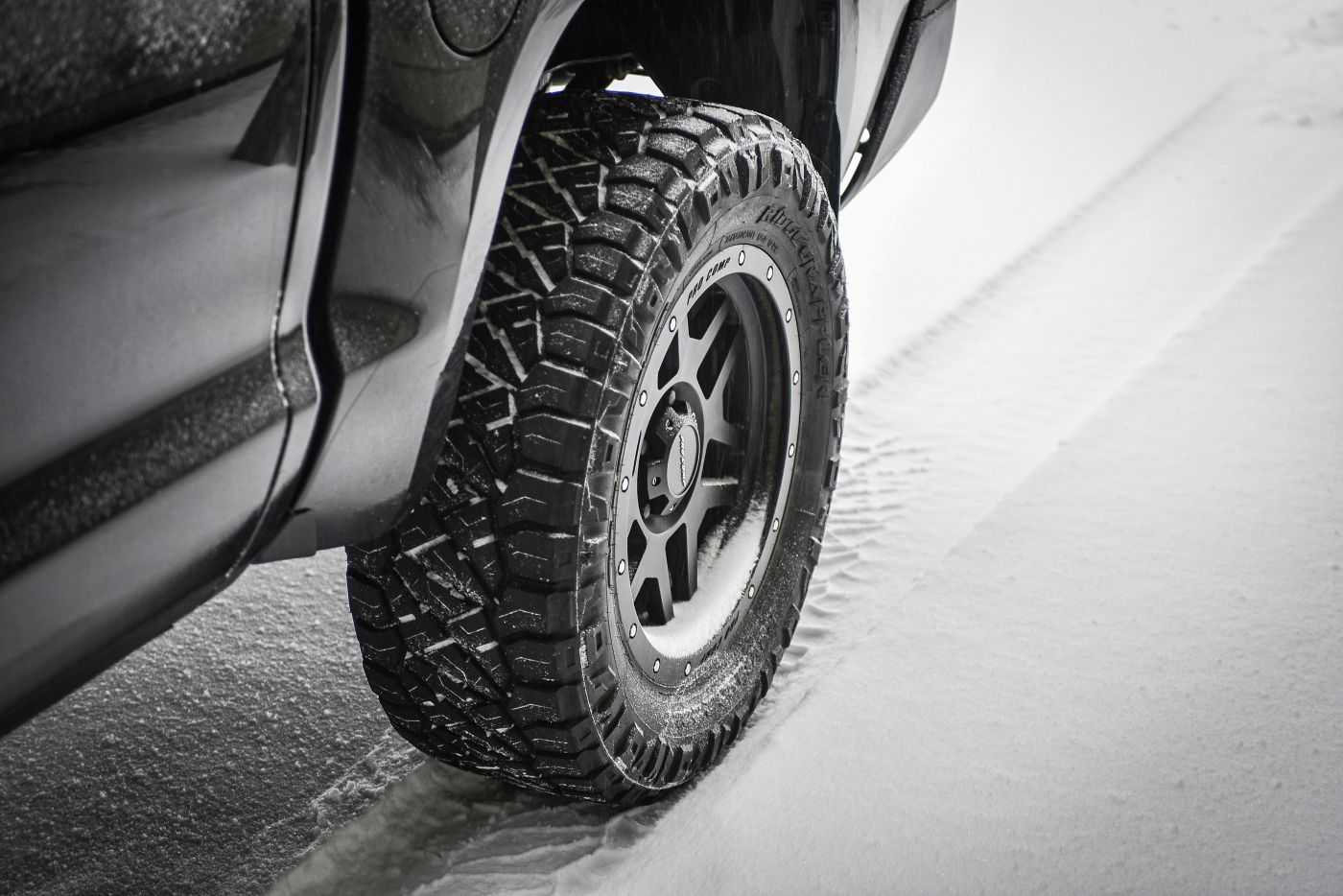
Learn the Local Driving Rules
Every country has its own winter motoring laws, and these can change each year. In the mountain regions of France, drivers must either fit winter tyres or keep snow chains or snow socks in the car throughout the colder season. In Austria, you will need to have items, such as a warning triangle, high visibility vests, snow chains, and your driving licence with you at all times. You also need to have winter tyres fitted between 1 November and 15 April, otherwise you can incur a fine. Checking the current rules for the countries you drive through is important to spare you fines and stress.
Pick the Right Tyres for the Cold
Tyres do not all behave in the same way when the temperature falls. Summer tyres stiffen once it drops below roughly seven degrees, so they no longer grip as well. Winter and all-season tyres are made from softer rubber and have deeper grooves, which help them hold the road in snow and slush. If you own an SUV or another four-wheel drive car, it is wise to choose 4×4 tyres that are legally accepted as all-weather or winter tyres in the countries you drive through. In Austria, these would need to display the M+S (Mud and Snow) or the 3PMSF (3-Peak Mountain Snowflake / Alpine) sign.
Get Your Car Ready for Your Self-Drive Ski Holiday
A few easy checks at home can save trouble later. Make sure your battery is healthy because cold weather can wear it down quickly. Fill your screen wash with a winter mix that will not freeze, and look over your wipers, lights, and oil level. Remember to check your tyre pressures as well, since they tend to drop as the weather gets colder. Pack a winter kit with an ice scraper, a torch, warm blankets, a shovel, snacks, and water. It is also wise to have your car serviced a few weeks before you travel, so any problems can be sorted in time.
Take Care on Snow and Ice
On snowy mountain roads, slow down and keep well back from the car in front. On ice, it can take up to ten times longer to come to a stop. Be gentle with the steering, brakes, and accelerator because sudden movements can make the car skid. Try to keep your fuel tank at least half full in case you get stuck in traffic or bad weather. Use a lower gear on steep slopes to stay in control. If the conditions become too tricky, pull over somewhere safe and wait until the weather improves or the roads are cleared.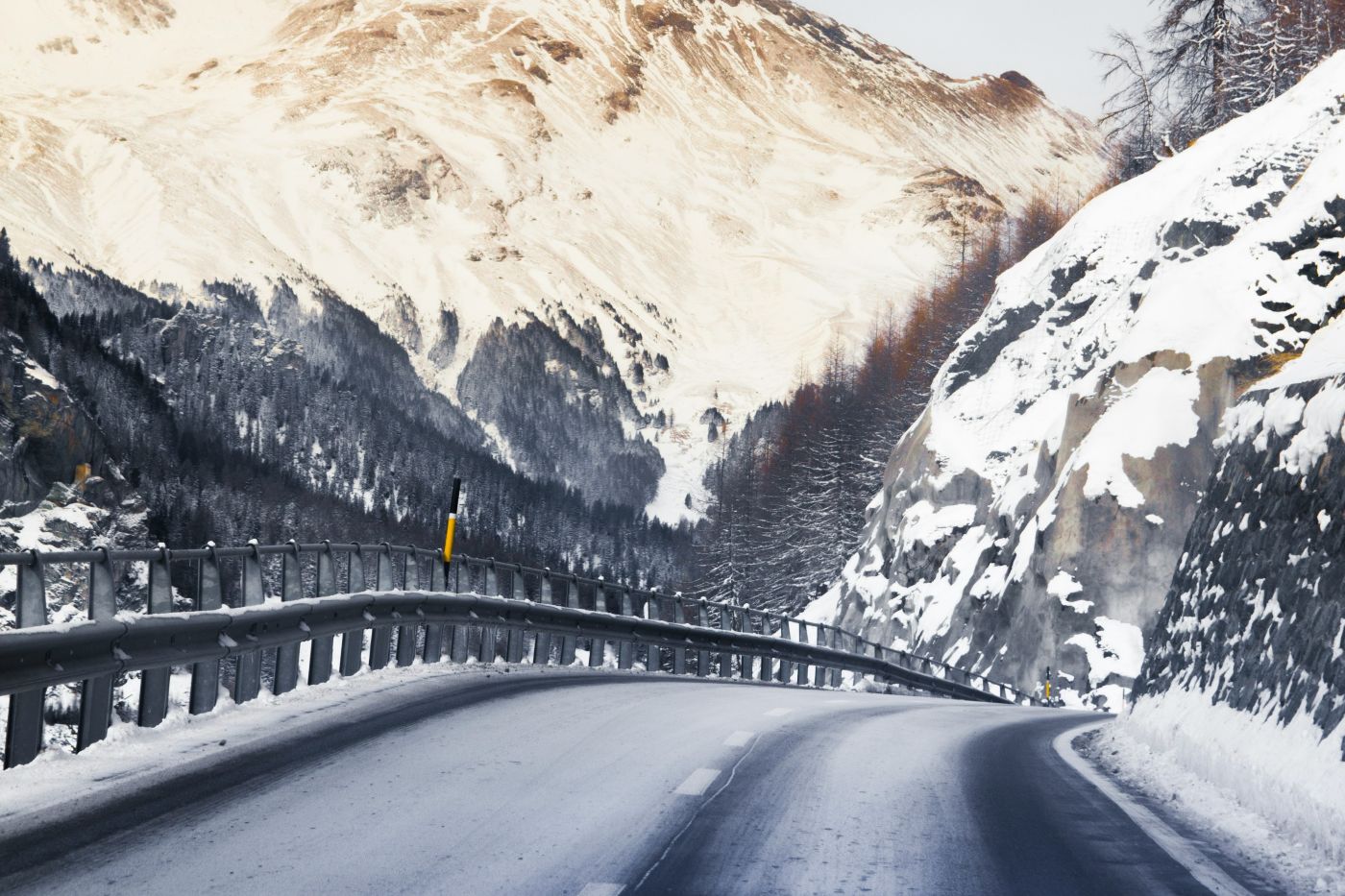
Make the Most of the Drive
The journey to the slopes can be one of the best parts of your single parent ski holiday, with stunning scenery and new places to see. With careful planning, the right kit, and a well-maintained car, you can drive with confidence. Fitting good quality 4×4 tyres before you set off will help keep everyone in the car safe, so you can arrive feeling relaxed and ready to hit the snow.
